
Ensure long-term success in the cloud
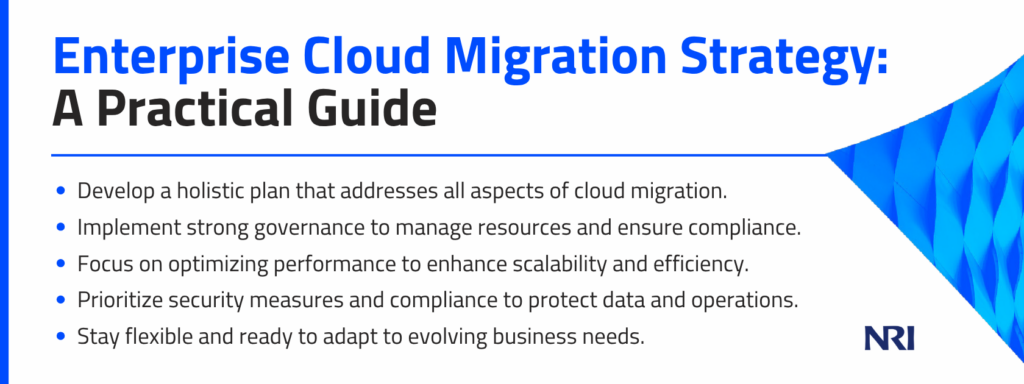
Organizations are increasingly adopting cloud solutions to drive innovation, enhance scalability, and improve operational efficiency. However, the journey to the cloud is complex with potential pitfalls.
Cloud migration projects often fail due to inadequate planning and poor architectural decisions. The temptation to prioritize speed over preparation creates significant issues down the line. A rapid transition to the cloud might seem appealing, but it can result in a “migrated” workload that is not fully functional or optimized for the cloud environment.
This discrepancy can create architectural debt, manifesting as operational inefficiencies, increased costs, and potential security vulnerabilities. Architectural debt happens when enterprises overlook the importance of establishing a roadmap with architectural guardrails and a mature landing zone.
Without these foundational elements, organizations find themselves constantly firefighting issues instead of reaping the benefits of cloud adoption. It is crucial to recognize that architecture is the bedrock of any successful cloud migration.
A successful migration strategy must carefully balance architecture, cost, and governance to ensure a seamless transition. This guide is tailored for infrastructure directors who are responsible for steering their organizations through the intricacies of cloud migration. Let’s get started.
Phase 1: The Secure Landing Zone (The Architecture Anchor)
The first phase of a successful enterprise cloud migration strategy involves creating a secure landing zone, which serves as the architectural anchor for all subsequent migration activities. A well-designed landing zone ensures workloads are isolated and protected, minimizing the risk of failures and security breaches.
A Multi-Account Structure: A Key Component of a Secure Landing Zone
Isolating workloads across multiple accounts means enterprises can control the blast radius in the event of a failure, ensuring that issues in one account don’t impact others, thereby enhancing security and operational resilience and providing a robust foundation for cloud migration.
Identity and Access Management (IAM): Another Critical Aspect of the Secure Landing Zone
Extending on-premises directory services securely to the cloud is essential to maintain consistent access controls and ensure compliance with security policies. By implementing IAM best practices, enterprises can safeguard their cloud environments and protect sensitive data.
Compliance-as-Code: A Proactive Approach to Security and Compliance
Compliance-as-code means automating guardrails before the first workload moves to the cloud. By embedding compliance checks into the deployment process, enterprises can ensure that their cloud environments adhere to regulatory requirements and industry standards. Such an approach enhances security and streamlines the migration process, so teams can focus on delivering value rather than managing compliance manually.
Phase 2: Data Gravity and Network Topology
Data gravity and network topology directly impact performance, cost, and scalability. Enterprises must address the egress cost trap when data-heavy applications incur high costs due to data transfer out of the cloud. To mitigate the issue, architect solutions that optimize data flow and minimize unnecessary data movement.
A hybrid cloud migration strategy using connectivity options such as Software-Defined Wide Area Networking (SD-WAN) and dedicated interconnects like ExpressRoute provides high-performance bridges between on-premises data centers and cloud environments, enabling seamless data transfer and ensuring that applications can leverage cloud scalability without compromising performance.
Latency mapping is another essential aspect of network topology. Identify “chatty” legacy applications that frequently communicate with their databases to determine which applications are suitable for migration and which may require re-architecting to optimize the cloud environment.
Phase 3: Migration Strategy
Instead of pursuing a mass-migration approach, enterprises should adopt a “Complexity-Tiering” strategy. Categorizing applications by complexity and criticality leads to a more controlled, manageable migration process.
- Prioritize less complex and lower-criticality applications to gain valuable insights and experience that can be applied to more complex migrations. A phased approach reduces risk and allows teams to refine their migration processes based on real-world feedback.
- Validate the architecture with a mid-criticality application. Test the landing zone and identify any potential issues before migrating more critical workloads.
- Feedback loops are integral to the migration strategy, which adjusts the architecture based on pilot telemetry and real-world performance data. By continuously refining the architecture and migration processes, enterprises can ensure that their cloud environments remain aligned with business objectives and technical requirements.
Phase 4: Post-Migration Operational Maturity
When migration is complete, achieving operational maturity is the next critical focus, transitioning from reactive monitoring to proactive observability. With proactive observability, teams can anticipate potential issues before they impact operations, enabling faster response times and minimizing downtime.
Implementing advanced monitoring tools and practices produces deep insights into cloud environments, and by leveraging real-time data and analytics, organizations can identify trends, detect anomalies, and optimize performance.
The FinOps (financial operations) layer is a crucial component of post-migration operational maturity. FinOps involves aligning architectural decisions with real-time consumption costs to closely monitor cloud spending and optimize resource allocation, ensuring that cloud investments deliver maximum value.
Planning for the “Day 2” Reality
Architecture is the key to a successful cloud migration strategy. By prioritizing architectural integrity, adopting a hybrid migration strategy, and implementing robust governance, enterprises can mitigate the risks of cloud migration. Planning for the “Day 2” reality involves anticipating future challenges and continuously refining the cloud environment to meet evolving business needs.
For infrastructure directors, understanding the complexities of cloud migration and implementing a strategic approach is essential for unlocking the full potential of the cloud. By focusing on foundational architecture, optimizing network topology, and achieving operational maturity, organizations can ensure a seamless transition to the cloud and drive long-term success.
Cloud migration requires careful planning and execution. To ensure a successful transition, request a cloud migration consultation. Our experts can help you develop a tailored strategy that aligns with your organization’s unique needs and objectives to meet your digital transformation objectives.